

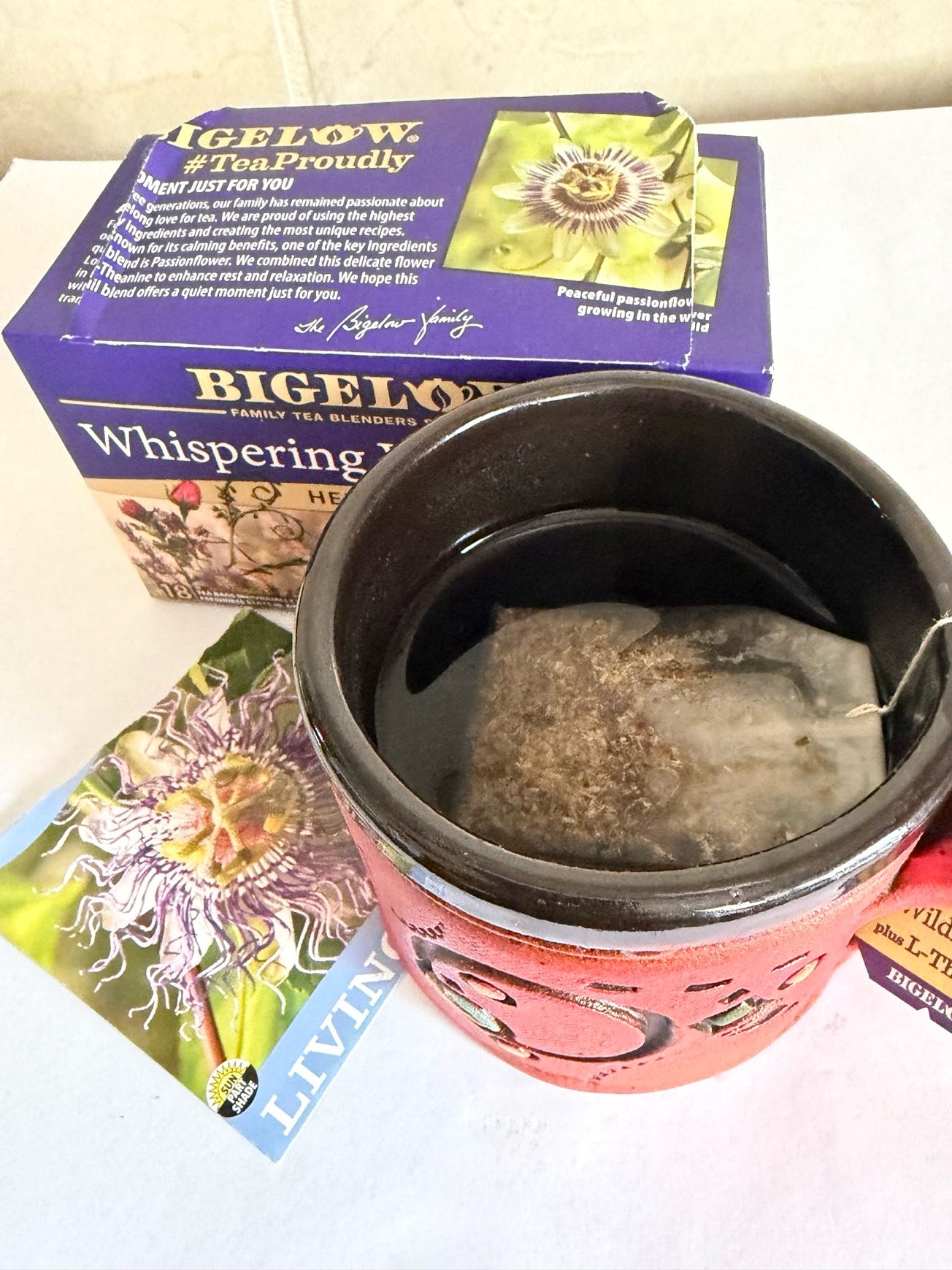
I’m not a great sleeper. If there is a hint of light, I wake up. If I take B vitamins, eat cod, have too much salt, don’t exercise enough during the day, or have alcohol close to bedtime…the list is nearly endless…I can’t sleep. We won’t even talk about caffeine. Pity my parents—I didn’t even nap as a toddler. To top it off, I’m a morning person.
We need sleep to live but why? We know the pitfalls of lack of sleep: heart problems, diabetes, cancer, neurological and psychological issues. On a molecular level, what happens during sleep?
Current research links sleep with DNA repair. Maria Ermolavea, a biochemist studying aging and longevity at the Leibniz Institute has found (at least in studies of mice) that part of the answer lies in the protein which helps DNA pack into our cells in a fibrous complex called chromatin. When we’re awake, our fibers remain coiled up and protected. Chromatin fibers unwind during sleep, and this allows for our DNA to be repaired. If we don’t sleep enough, our DNA degrades. This is analogous to opening your suitcase after a day of traveling and arranging and accessing your possessions. If you never open your suitcase, you’ll end up with dirty hair, smelly clothes, and bad breath.
A protein complex called DREAM prevents the unraveling, the opening of the suitcase. (I find this name a little confusing since it is a protector which keep the DNA from damage during our wakefulness but doesn’t allow for its repair as we get during sleep.)
Inhibition of the DREAM complex is part of the brain’s waste clearing system, known as the glymphatic system which uses cerebral spinal fluid to travel through open channels that are parallel to our veins and arteries. It’s controlled by neurotransmitters and opens up when the brain is asleep. It’s thought that it will not work when the brain is awake because we need all of our neurotransmitters to be firing when we’re awake, much like we need our suitcase closed when we travel. The glymphatic system inhibits this neural transmitting when we sleep. (And believe it or not, joy and mental stimulation promote this brain opening pathway.)
We need sleep to stop the DREAM.
Or do we?
In what might be a dream come true for insomniacs, shift workers, time zone travelers, and people who just don’t enjoy sleeping, researchers are discovering substances that will inhibit the dream complex without the need for sleep. In mice, these DREAM inhibiters can undo the DNA harm caused by lack of sleep.
Here’s the thing that piqued my interest. One of the main DREAM inhibiting compounds is something that I studied during my research days—harmine, a harmala alkaloid found in passion flowers. Harmala alkaloids are found in many flowers, including clovers and phlox. My research was interested in their luminescent properties, and it veered into seeing if these dayglow chemicals attracted bees. (They did.) And butterflies. (They didn’t so not published. There’s only so much time for publishing when you teach at the undergraduate level.)
It looks as if harmine, found in decent concentration in blue passionflowers, is a good candidate to stop the DREAM while you are awake, meaning you would not suffer the DNA damage from disrupted sleep. You could unpack and repair your DNA suitcase while awake!
This chemical in a pill form isn’t likely to become reality soon. Harmine can be toxic at high levels. Sleep is complex and this work-around hasn’t been tested in humans. However, there could be potential benefits from it and for now, I’m not going to pass up an edible flower garnish or an occasional cup of passionflower tea. And as the saying goes, I won’t postpone joy.
Thank-you to this article for the inspiration.

© 2026 Cathy Haustein · Privacy ∙ Terms ∙ Collection notice
 Catherine Haustein