

I went to see the redwoods and if you haven’t been there, you must go. Breath in their magnificence —the air around them is so fresh. In the redwoods, my harvest weary sinuses cleared and my jumbled mind unraveled. These trees don’t live near a major city—the coast of California with the coastal redwoods is punctuated with small towns and harbors. A feeling of peace and majesty descends on you there along with the fog. The trees have an intimate relationship with the fog. It provides up to 30% of their water.
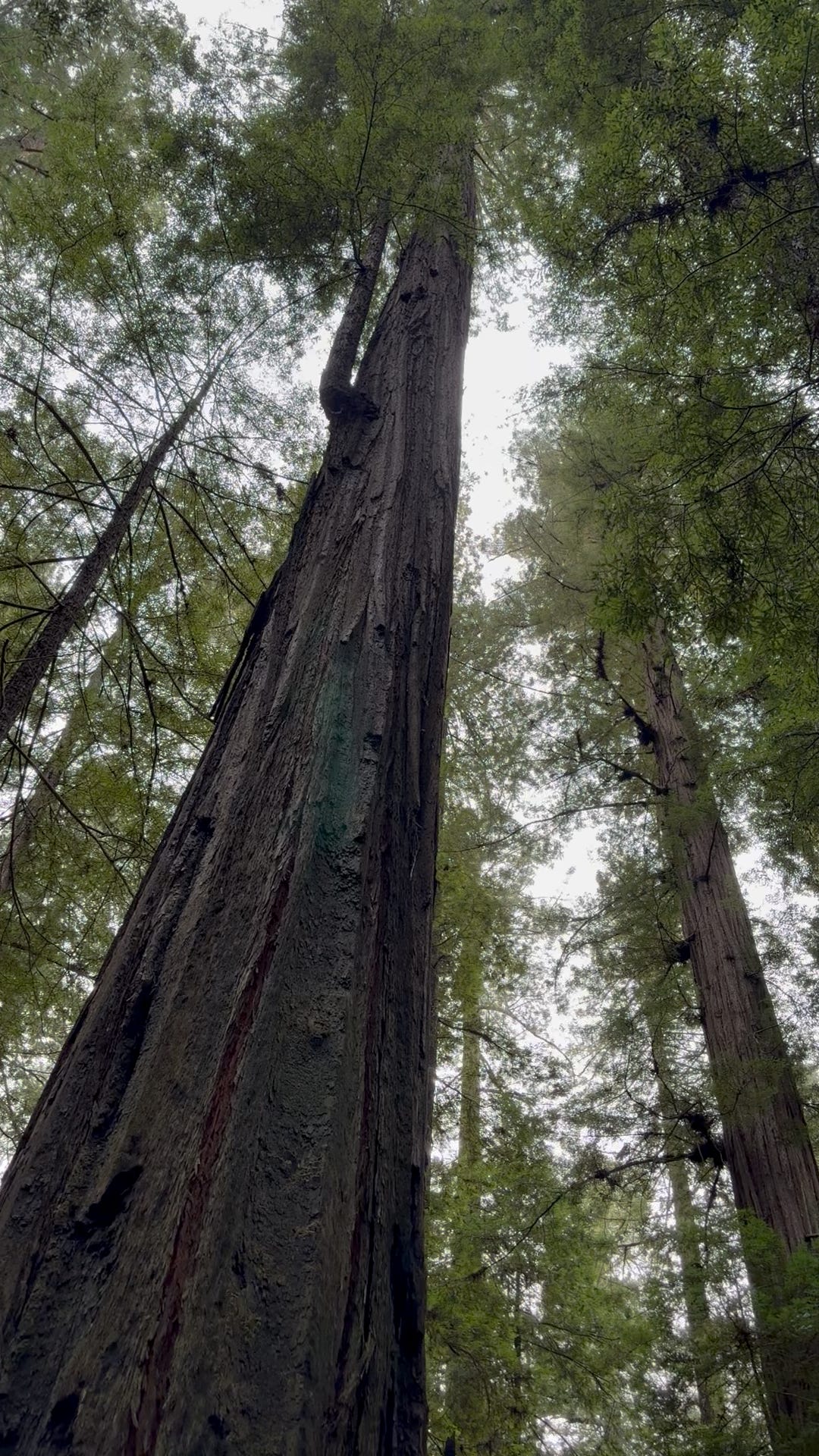
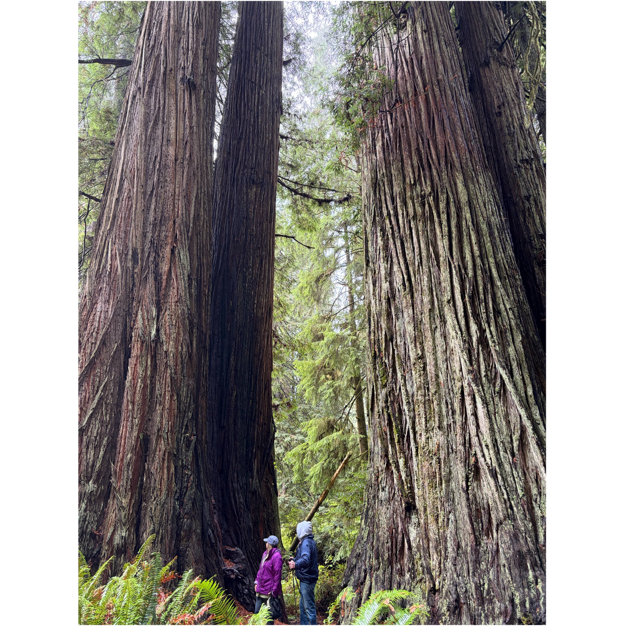
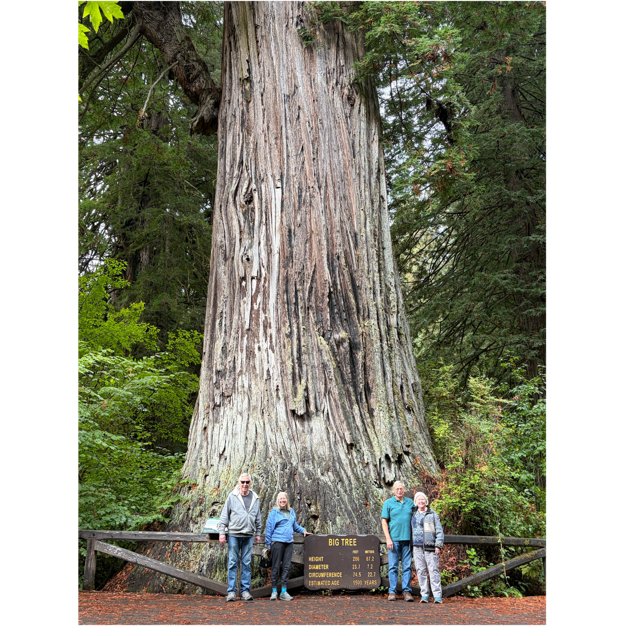
Big Tree is a favorite stop and one of the trees that helped promote awareness of the need to save the redwoods from logging. By the time people began working to protect the coastal redwoods 100 years ago, 95% of them had been cut down.

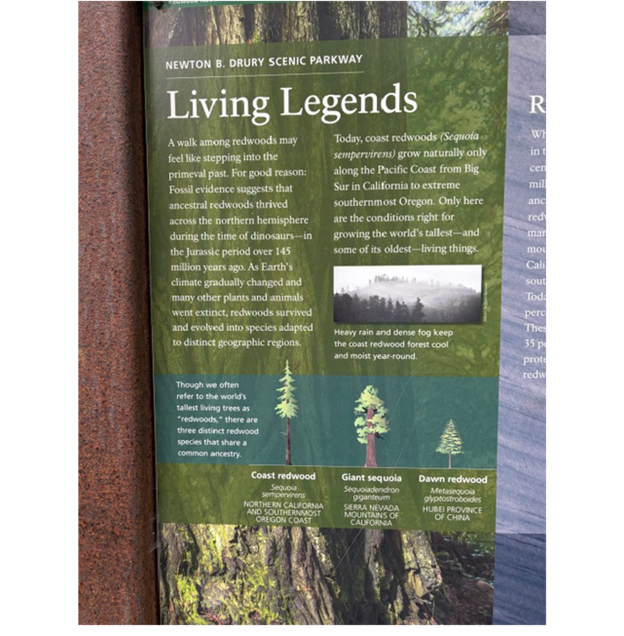
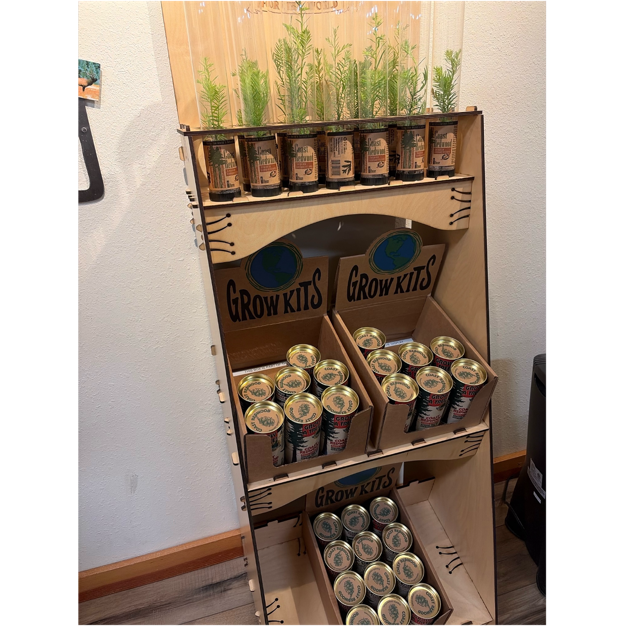
There are three varieties of redwoods. The coastal redwoods are the tall ones, the giant sequoia have fatter trunks, and the dawn redwood, found in China, is a smaller version of these glorious trees. Various ranger stations and tourist traps sell seeds and baby trees. I wasn’t confident I could bring a coastal redwood back to Iowa and keep it happy, so I opted for a dawn redwood seed.
Humbolt Redwoods State Park features the Avenue of the Giants Auto Tour just off of Highway 101 and contains trees up to 2000 years old that have never been logged. These trees have stood up to fires, insects, and floods. We traversed the Northern most part of it and took time to visit some of the picturesque small towns along Highway 101as well.
One tourist trap, Trees of Mystery, has a notable collection of native pottery and information about the tribes that once inhabited the redwoods and this continent.
The area also has casinos and gas stations owned by the local tribes. It wasn’t until the 1960s that the redwood forests became state and national parks and the tribes were able to recover land ownership.
Saving the trees took an immense amount of effort by all sorts of people—some standing in front of logging equipment and taking companies to court, others buying up the forests and donating them back to the state. Women’s groups in California were at the forefront of the effort early in the 1900s, but people have been working to save the trees, including the founders of the GAP, even into this century.
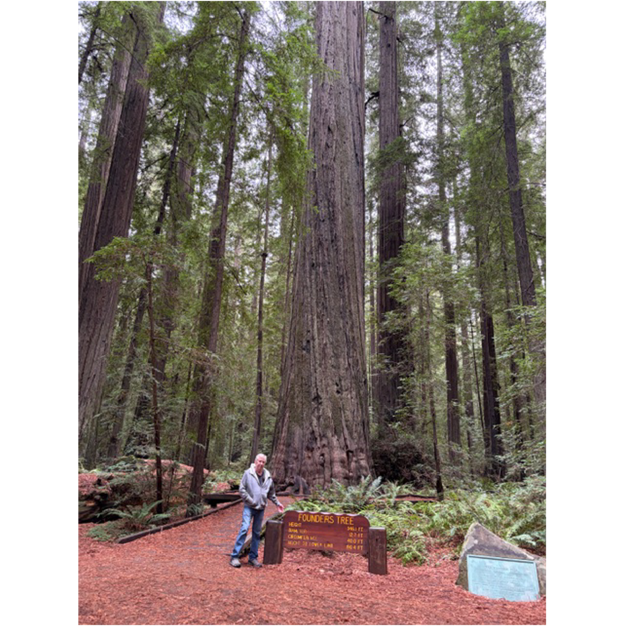
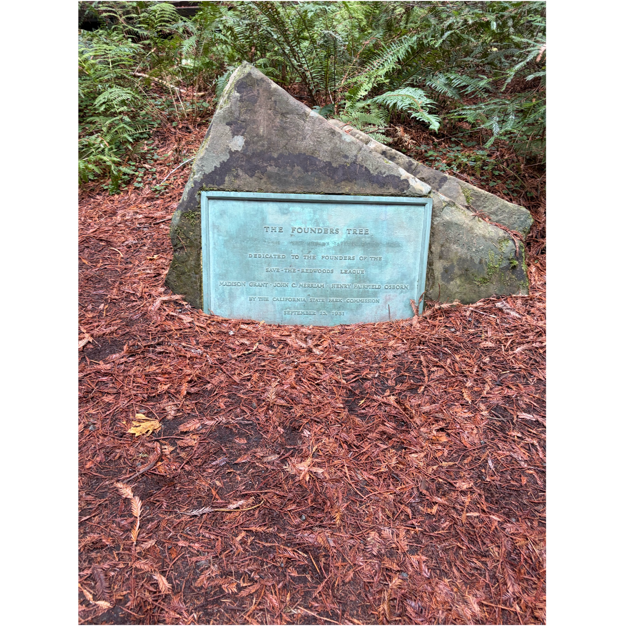
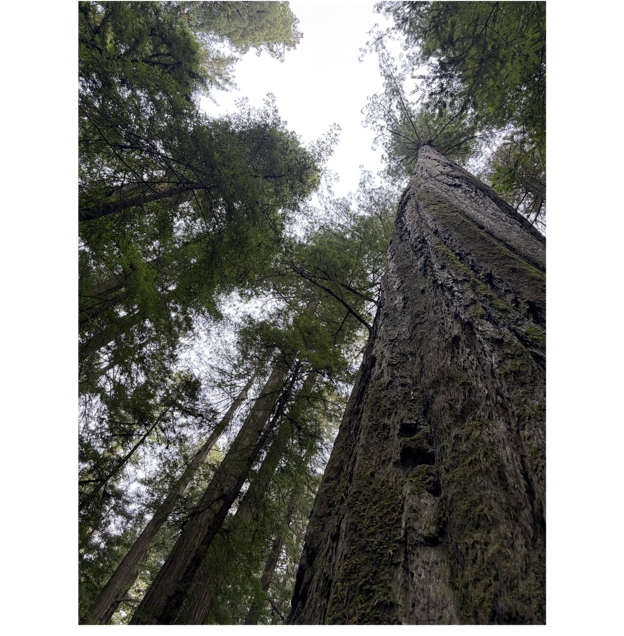
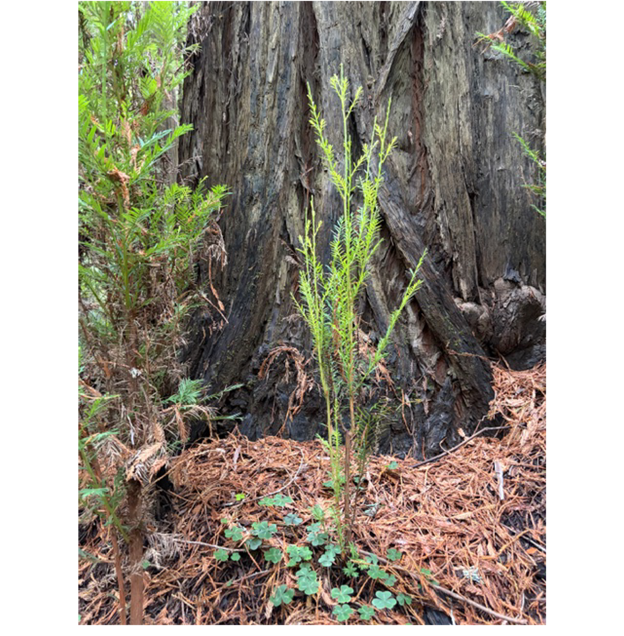
These huge trees grow burls when injured and stressed. You can see how red the wood is when looking at this burl. The tree litter is known as duff or sorrel.
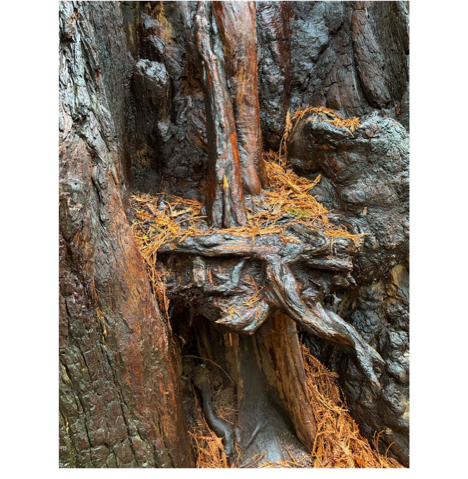
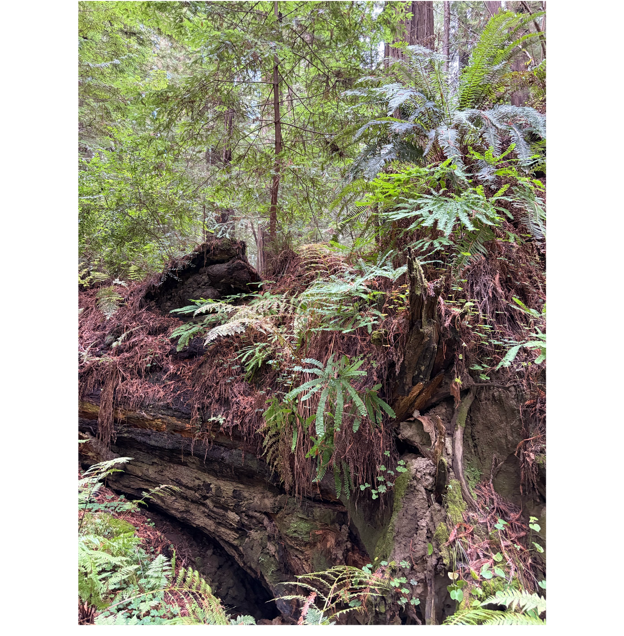
As shown below, the roots of the coastal redwoods are fairly shallow. Over the centuries, the trees sustain some damage and still they persist.

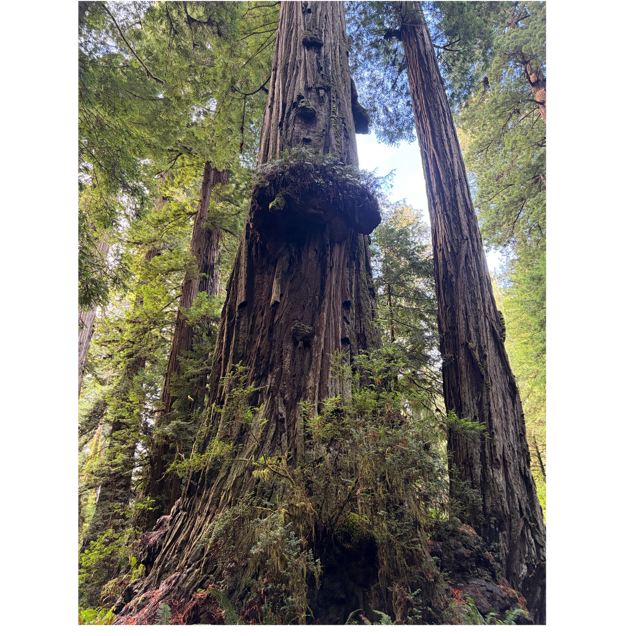
Above, sprouts pour from a burl.
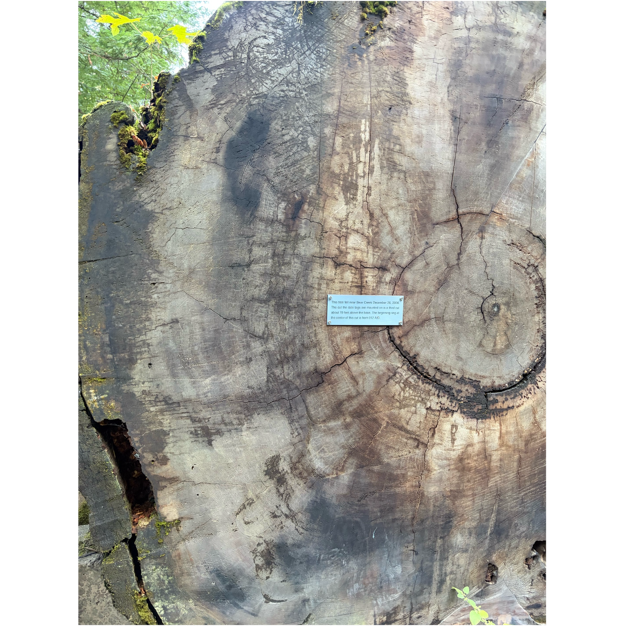
Take a look at some of the cross sections and see the passage of time.
Thanks to the collective will of the people of California and elsewhere, these trees persist and reproduce. But it takes constant vigilance, and appreciation of them.
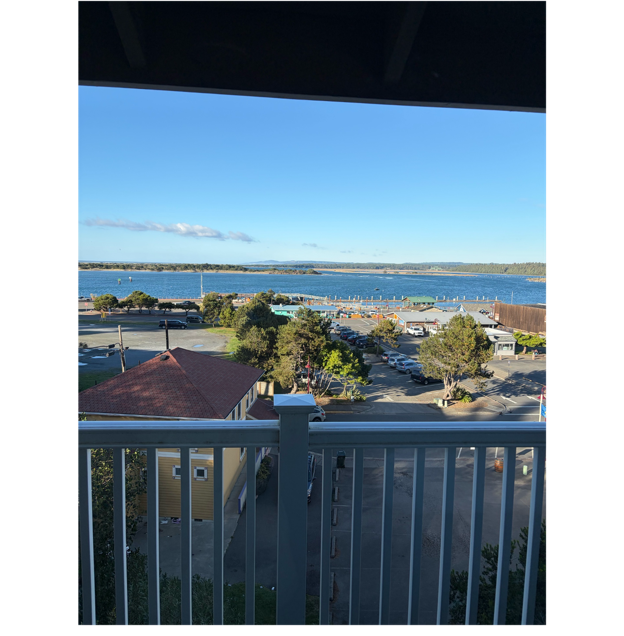
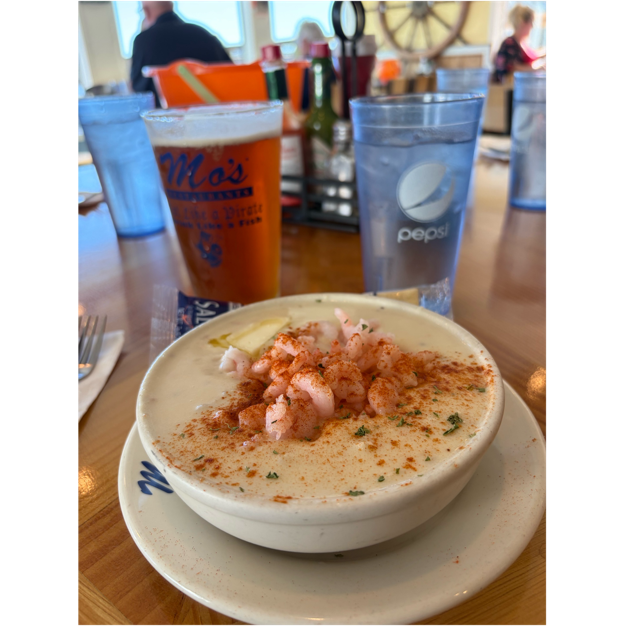
We have relatives from Portland who came with us and guided us on the trip. We drove along Oregon’s beautiful coast, staying in the small town of Bandon. Sadly, we had to walk out of a diner there because Fox News was on tv but we found a great seafood place and had a lovely seaside view.
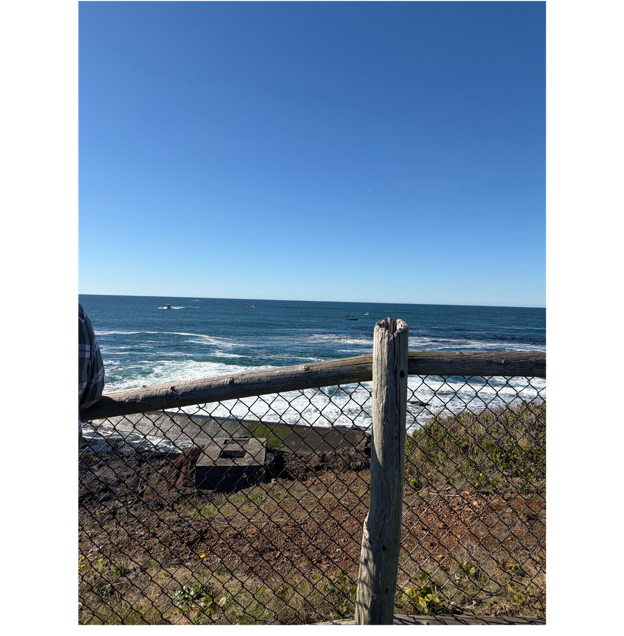
We stopped at a light house/Coast Guard facility, had more seafood at Newport (home of Rogue Brewery) and even though it was early in the season, we saw some whales at a distance.

We flew in and out of Portland. Portland has a beautiful airport (see photo below) and is not a war zone. (Although possibly someone is trying to make it so. On the return trip, the air national guard was flying obnoxiously.) It’s horrible to have whole cities, and even states, lied about and subjected to unwanted occupation. Fortunately, people in this country know how to work together to save the trees and even democracy.

 Catherine Haustein