

We’re hearing a lot of hot air about efficiency lately and as a concept, efficiency isn’t all bad.
For example, chemists talk about atom efficiency which compares the atoms in the starting materials with those in the product. If all atoms are used in the product and none are left, the reaction has 100% efficiency. This is a way to assess waste in chemistry.
When I look for a car, I take fuel efficiency into account. Efficiency is great, isn’t it?
Sometimes it is, but the concept hasn’t always been with us. When and where did this idea come from?
In the 1900s the idea of efficiency, a near worship of it, pervaded society. This idea first came from studies of brewing and of machines. An efficient process lost less heat and did more work. Heat wasn’t lost to the surroundings in an efficient process. For example, an efficient engine got less hot and produces more work. Get your motor running with an efficient engine in 1916.
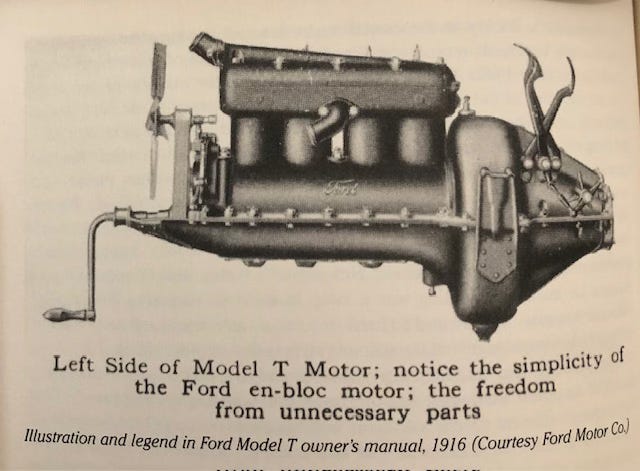
Thermodynamics began in England with James Joule, the son of a wealthy brewer, who studied thermodynamics but efficiency lurched to life in the juggernaut that was American culture. It even bled into management theory.
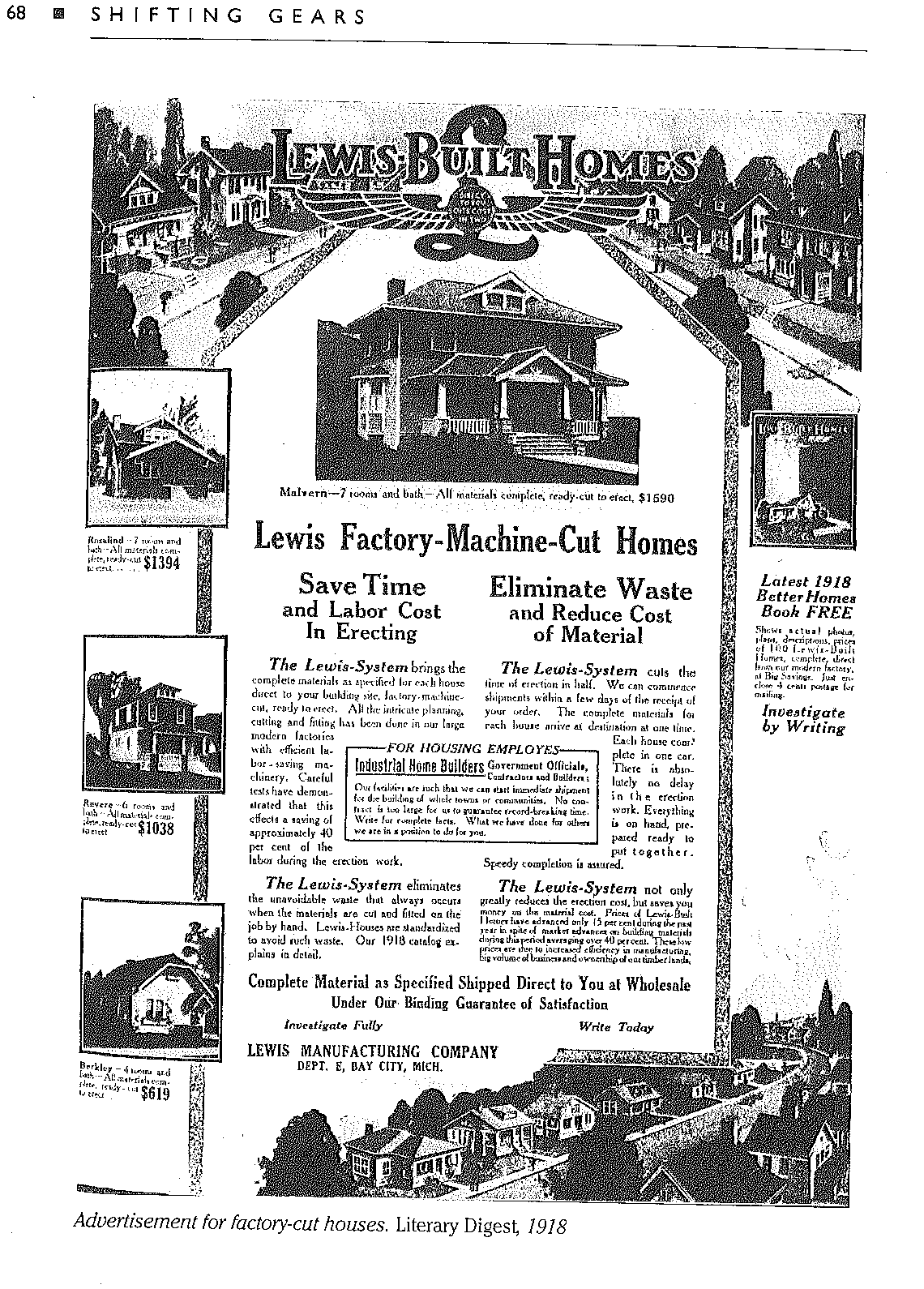
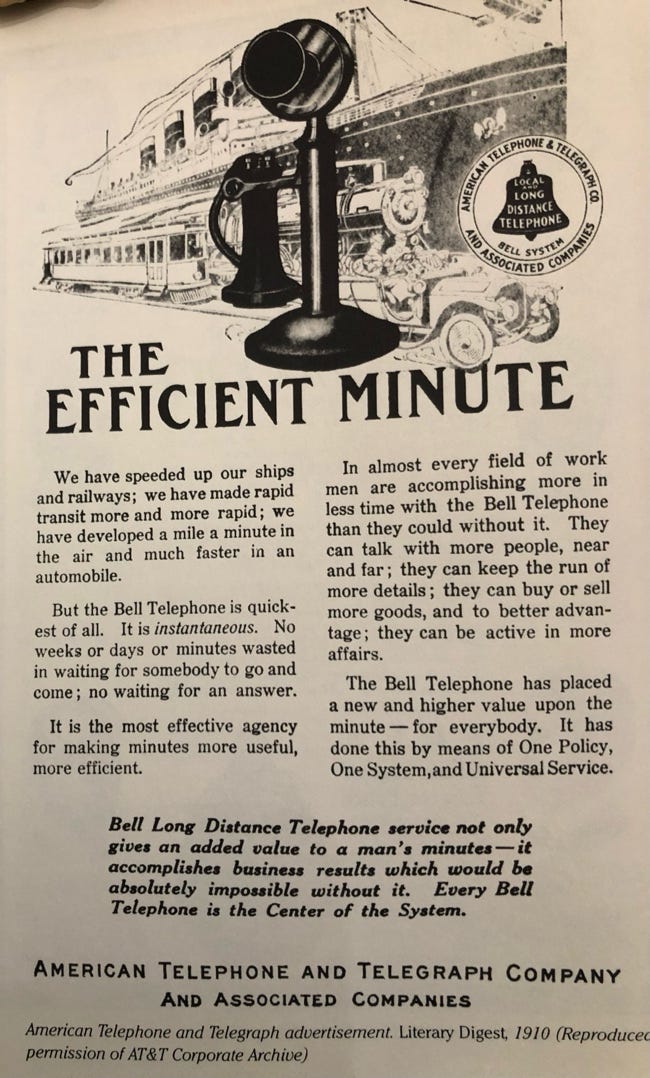
Everyone had to work and be useful. The idle rich were a problem. Inefficiency in buildings was a problem. According to literary critic and munitions engineer Hudson Maxim, inefficient prose was a problem as well. Take a look at some of these photos and advertisements.
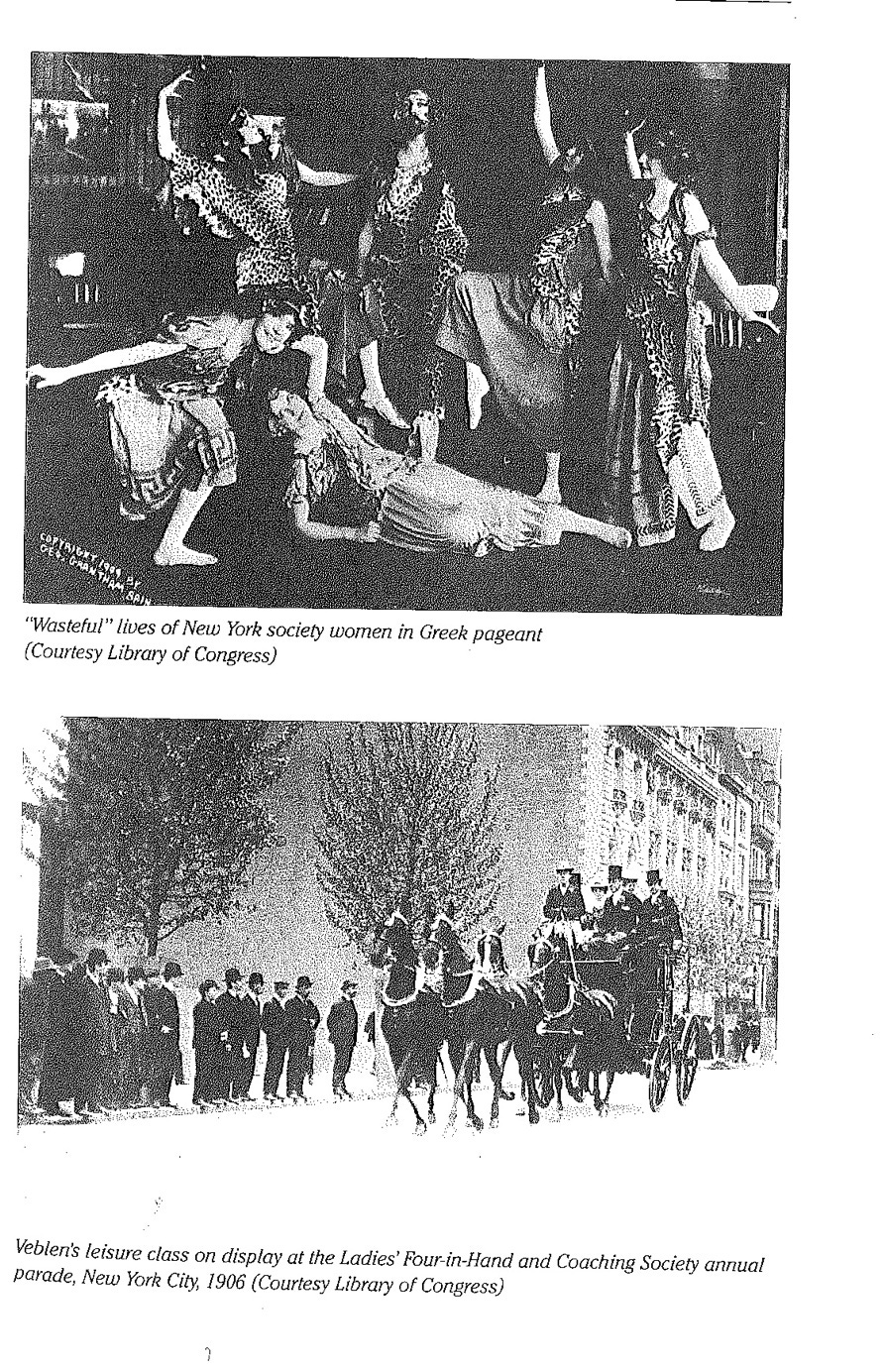
One Grecian urn, two Grecian urns, three Grecian urns and a fountain. The inefficient lives of the idle rich, women in particular, were held in contempt.
I grew up learning that Hemingway was a great writer. His prose was so simple and unadorned–just like a punch in the gut. There were characters barely described and given names like “the woman.” He was in a word, efficient. Believe it or not, this whole notion came from science and technology.
Hemingway came about his efficient prose in an honest way. He was a war journalist and telegraphed his stories back to the U.S.. The telegraph coded letters as dots and dashes and each one cost money. And with the advent of photography, people didn’t need or want the long descriptions of scenery that punctuated older fiction. They only needed enough to set the mood and ground the fiction.
Today, the century old efficiency movement is still with us. We are told to want writing to be sleek, like an Apple product. Some publishers even remove the Oxford comma. Professor Cecili Tichi called this new prose “machines made of words,” adopting the phrase from poet William Carlos Williams. The photos I’m using are from her book Shifting Gears.
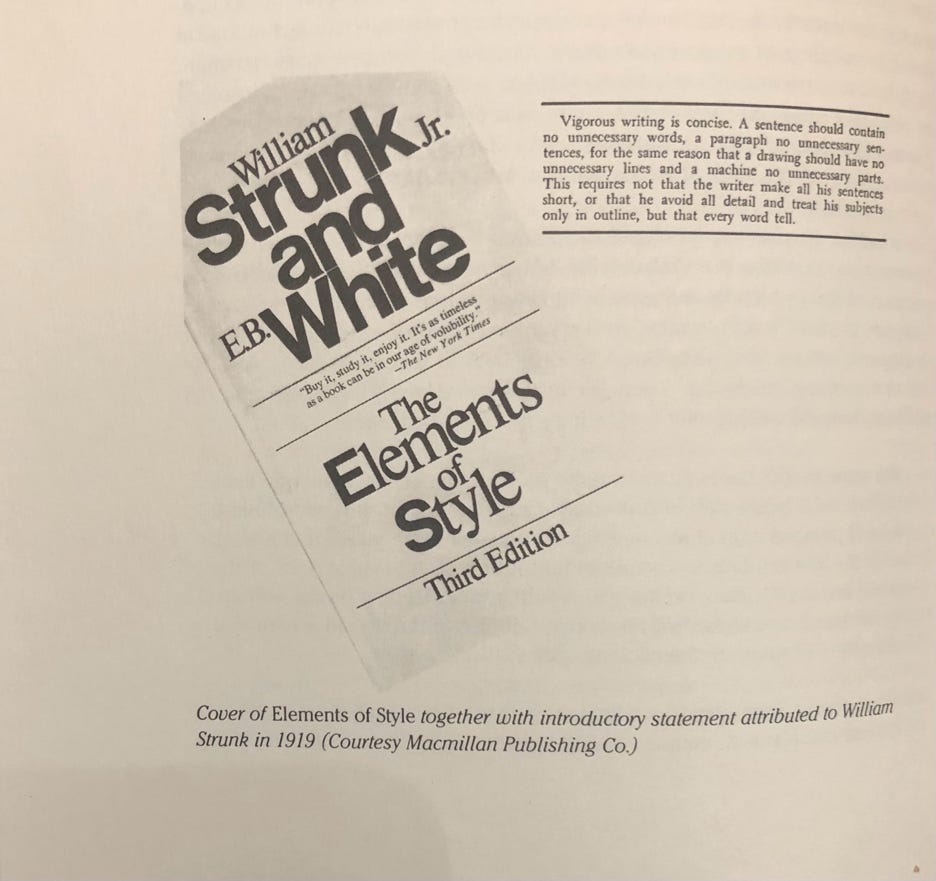
I like machines. I get frustrated with rambling and babbling. But sometimes, I want something more delicious. I want the rush of pleasure from abundant words and the keen insights of metaphors and turns of phrase, the dappled light of a brilliant day as was today.
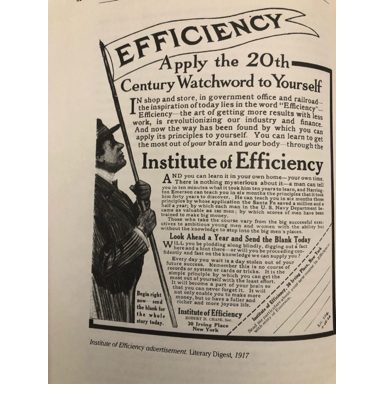
Forget long, flowery letters. With the invention of the telegraph and telephone, words counted, ten cents for the first ten words and five cents for the next ten words, and communication was instantaneous. People began writing shorter prose as a result of “telegram style.” Today’s text message style is much the same. Write someone a long, embellished text an see how they react. Long sentences aren’t coming back any time soon.
Here’s what the efficiency experts have gotten wrong—not every engineering principal applies to living things. It isn’t efficient to cut back a workforce and make the people left work 120 hours a week at too many tasks.

Above: CEO wants to show he’s doing something efficient so he gets rid of people.
Efficiency can be soul sucking, killing inspiration, and innovation. Over-work goes against the Bible. Inefficiency can be as simple as hanging out, building relationships, looking at the sky and wondering. In other words, it can enhance the workplace and our lives.
Efficiency can be dangerous. As companies pursue profit and efficiency, they lose the ability to adapt to change. An example of this over-efficiency can be seen in the almond industry, concentrated in one area of California, or the corn and eggs industries in the Midwest. And if you haven’t read yet about bananagedon, click this link. Consolidation of sources and lack of diversity (monoculture) leaves the food sources vulnerable to disease, bad weather and other forms of instability. Bananas for example, can no longer reproduce on their own.
Consolidation, while efficient, gives the few producers the ability to raise prices, even when not necessary. We already have seen covid and bird flu blamed for egg price hikes, as markets shifted and the types of chickens remained the same, making them even more likely to experience epidemics. And we only need to look at the dinosaurs or pandas and their limited diet to see that bigger and more specialized isn’t always better.
Let’s also considering who is telling us to be efficient. It’s often people who themselves have wasteful private jets, boats, and excessive real estate holdings. Additionally, the release of hot air into the environment is a sign of poor efficiency. It’s where the term for insincere speech comes from. There are a few prominent figures who could take a lesson from efficiency and cool off. All those hot takes aren’t doing any work.
More importantly, society is not thermodynamics. People and other living things are much more complicated than brewing–even if it does involve yeast. Where is the morality in efficiency? When it comes to people, The Bible warns against haste. Applying STEM principals to every facet of our lives won’t make them better, only more stressful. It might even kill us. So embrace those inefficient moments at times, and don’t take personal advice from the opulent hot air emitters. Chill.


👏🏻👏🏻👏🏻 Let’s also consider who is telling us to be efficient. It’s often people who themselves have wasteful private jets, boats, and excessive real estate holdings.
Ann Hinga Klein, LLC
Member, The NewsGuild of New York
and Society of Professional Journalists
Portfolio: annhingaklein.com
Twitter: @AHingaKlein
515-238-3467
LikeLike
Removed Oxford commas? Le gasp!
LikeLike
Quite often, there’s a trade-off between efficiency and effectiveness. Accountants deal with this balancing act all the time. Too much of one or the other and you may end up with a crappy product that was efficiently produced, or a fabulous product which was produced with great effectiveness but ends up costing too much to be practical. Porsche = effective production; Yugo = efficient prodo.
LikeLiked by 1 person