Leeks and Prairie Roots

Today was the last home market for Prairie Roots Farm, the organic farm started by my former colleague and chemistry professor Louise Zaffiro. I want to make leeks and she had some gorgeous ones. I asked her if they were hard to grow. The short answer is “yes.”

img_2933
These beautiful December leeks began as seeds planted last February.

Zaffiro explains that she starts the seeds inside in February under grow lights. When planting comes in early spring, the work begins. She makes a series of holes–9″ deep– with a dowel rod, a device she made herself as suggested by Eliot Coleman. She places each tiny plant in a hole and lets the dirt fall over the baby leek. The buried part of the leek is what stays white and she recommends letting the soil fall naturally and gradually over the leek. Give them plenty of moisture and nutrient rich soil and they’ll be ready in the late summer through the fall.

Leeks are in the Allium family and are very nutritious–good for prevention of cancer and blood vessel problems among other benefits. They’re also a national symbol of Wales.

I asked Louise if being a scientist helped her with her new venture of organic farming–taken up when she was sixty years old. She said it definitely did. Scientists make a habit of record keeping which is important in getting organic certification. She also appreciates the chemistry of fertilizer and the use of the organic fertilizers such as manure and fish meal. These nutrients release nitrogen slowly to the plant which has benefits. One, they don’t leech into the water as ammonia based fertilizers do. They release the nutrients slowly in a form that the plant can use. Two, less nitrogen helps keep pests down. Apparently insects are attracted to crops that get a sudden burst of nitrogen as you’ll get with most commercial fertilizers. Additionally, the organic matter helps the soil form aggregates called peds which allow it to aerate. These peds are destroyed by commercial cultivation.

Zaffiro enjoys her new career. She finds it rewarding and intense with long periods of hard work and no downtime. (It’s not however, as much work as being a beginning teacher.) She likes making a difference in the health of the planet  and its citizens and this makes all the work and the stress of a new career worth it.

Here’s my simple recipe, based on one from the Delightfully Dutch cook book:

1 cup of sliced leeks

1 cup of sliced carrots

Boil in 2cups of water until tender.

Drain, saving the water.

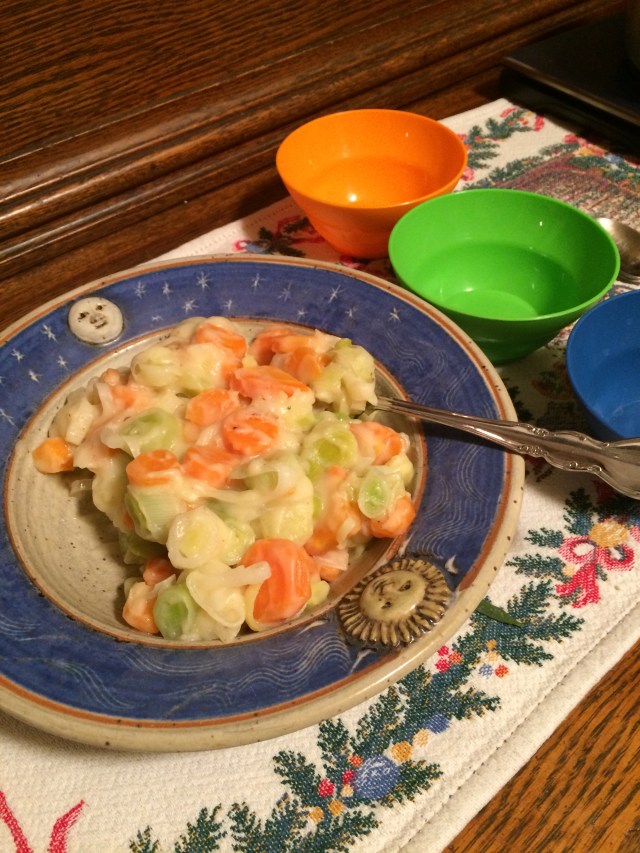
Melt 2 tablespoons (or maybe a little more) of butter. Add two heaping tablespoons of flour and mix well. Add water and mix.Add leeks. Add 1 tablespoon of vinegar. Salt and add plenty of pepper. Enjoy!
img_2940
Organic leeks and carrots.


Dutch Proverbs: How Dutch are you?

I live in a Dutch town and I’m from a Dutch one too. Dutch people do not like to be told what to do. They didn’t have last names until Napoleon conquered the Netherlands in 1810. He ordered the population to take surnames. Some names chosen were sassy such Hogenboezem (High Bosom). Some had religious connects such as Branderhorst (Burning Bush). Dutch names could be a whole other blog post.

The Dutch are in general people who are tolerant , reject nationalism, and dislike class differences. I’m not 100% Dutch, I’m not even tall, and have never been to the Netherlands but oddly enough, those values beat through my heart as well. Today,  I wanted to share some Dutch proverbs from this book. How many do you agree with?

He that embarked with the devil must sail with him.

He that despises the little is not worthy of the great,

The roadside carpenter has many advisers.

A cat that meows much catches few mice.

Even the best knitter sometimes drops a stitch.

Better to speak sense occasionally than nonsense continuously.

He who takes his wife along never comes home too late.

Love makes a small bed wide.

Blossoms are not fruits.

When God means to punish a nation he deprives its rulers of Wisdom.

and my favorite

We hang little thieves and let the great ones escape.

Lip Balm–easy enough

img_2894
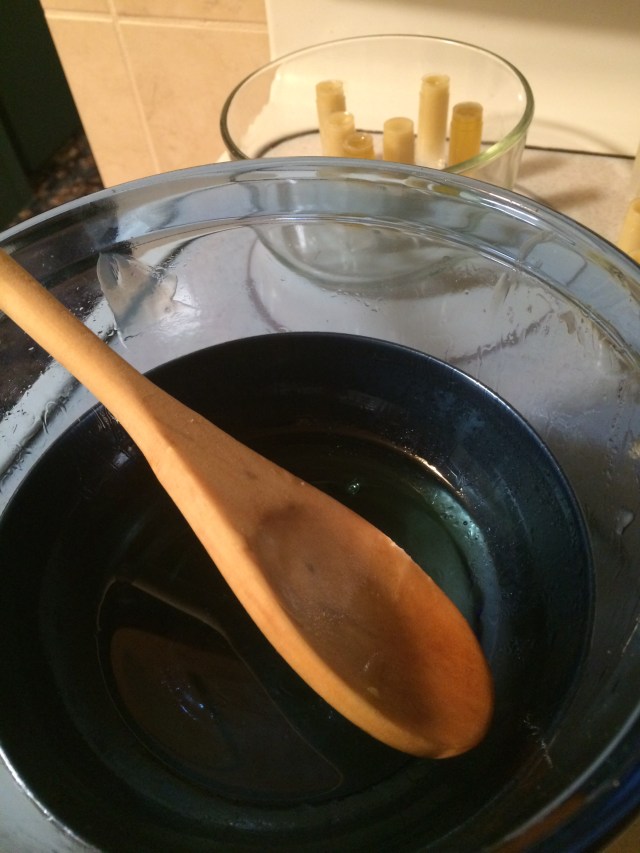
How much mess will you make? Here’s a shot of my bowl & spoon with some of the tubes in the background. I didn’t think this was too bad, just takes some patience with the mixing and the filling of the tubes.

It’s chapped-lip season and I decided to make some lip balm. It was easier than I expected it to be. I decided to use Shea Butter due to its moisturizing properties. Beeswax is added so that the butter doesn’t melt in warm weather and I added a little coconut oil to help it glide on smoothly.

Here is my formula:

1 tbs coconut oil

1/4 c shea butter

1/4 c beeswax pellets

Place in a pyrex bowl.

Heat the bowl on a pan of hot water. The ingredients will melt in the order listed above. Stir with a  wooden spoon. When the mixture is fully melted–about ten minutes– add to containers using a disposable transfer pipet. (I bought containers for lip balm.) If you want to get creative, add 1/4 tsp of either Vitamin E or mint extract to each container before adding the mixture. Allow to cool for at least 15 minutes before capping.

The recipe above made 21 tubes of lip balm.

Clean up note: To avoid clogs, do not pour the mixture down the drain. Wipe out bowl with paper towels, follow with hot water and wipe again. I will save my mixing spoon for the next time.


Easy bath muffins & is it worth the pain?! bath bombs & test tube bath potion

The widely circulated recipe for bath bombs is pretty simple and goes something like this

8 oz baking soda (1 cup)

4 oz citric acid (between 1/2 and 2/3 cup)

2 oz corn starch (A little less than half cup)–optional

4 oz Epsom salts ( about a half cup)

Mix dry ingredients together.

2 tbs plant oil–anything from olive or coconut oil to Jojoba or almond oil

3/4 tsp water. Do not over measure this!

2 tbs essential oil (this is an oil to add a fragrance; lemon eucalyptus, tea tree, etc.)

2 drops food coloring (optional)

Mix together wet ingredients

Slowly add wet ingredients to dry until they begin to clump.Add more plant oil if needed.How much extra oil you’ll need to add depend on what plant oil you use. I had to add quite a bit more jojoba oil!

img_2865
Maybe I’ll get better at this but one messy kitchen and plenty of trial and error later, I was able to make some imperfect bath bombs.

Wipe both halves of a bath bomb mold with oil. Fill both half with your mixture.Push into both halves of a bath bomb mold. Press together firmly, tap with a spoon or on the side of the sink to loosen, open mold. If halves don’t fuse, add a tiny sprinkle of water and try again. Allow bomb to dry for a day.

Super easy bath muffins

1/4 cup each baking soda, corn starch, citric acid , epsom salts. Mix together.Add 1/2 tsp water and 1 tsp essential oil.

Add coconut oil until malleable. (Olive oil can be used also. but will make a flatter muffin.)

I added some dried ingredients such as lavender, ginkgo leaves, passion flower leaves, or and even a coffee bean)

Pack into tiny muffin cups.

img_2854
Artistry lacking but top left is made with a tiny bit of coffee extract, top right with tea extract, bottom two contain bits of dried lavender and ginkgo leaves.

I started considering this– do I want corn starch? What do I really like? The mild scent and the epsom salts are what I’m after. I came up with this recipe that can be put into a plastic test tube with a screw top ( yes, you can find them on line) and has ingredients you can find in a grocery store.

Test tube grocery store bath potion

2 packages true lemon or true lime

1 tablespoon epsom salts

1/2 tsp baking soda

1 or 2 drops scented oil

Mix. Make a little funnel from a slip of paper and add mixture to your test tube. Will add a slight fizzy boost to any bath. Can be doubled depending on size of test tube. This is something kids can make! 

img_2868-1
This is more my style. A great bath toy too. Just remember that epsom salts can be a laxative so no drinking the potion! I added a tiny spring of dried lavender.

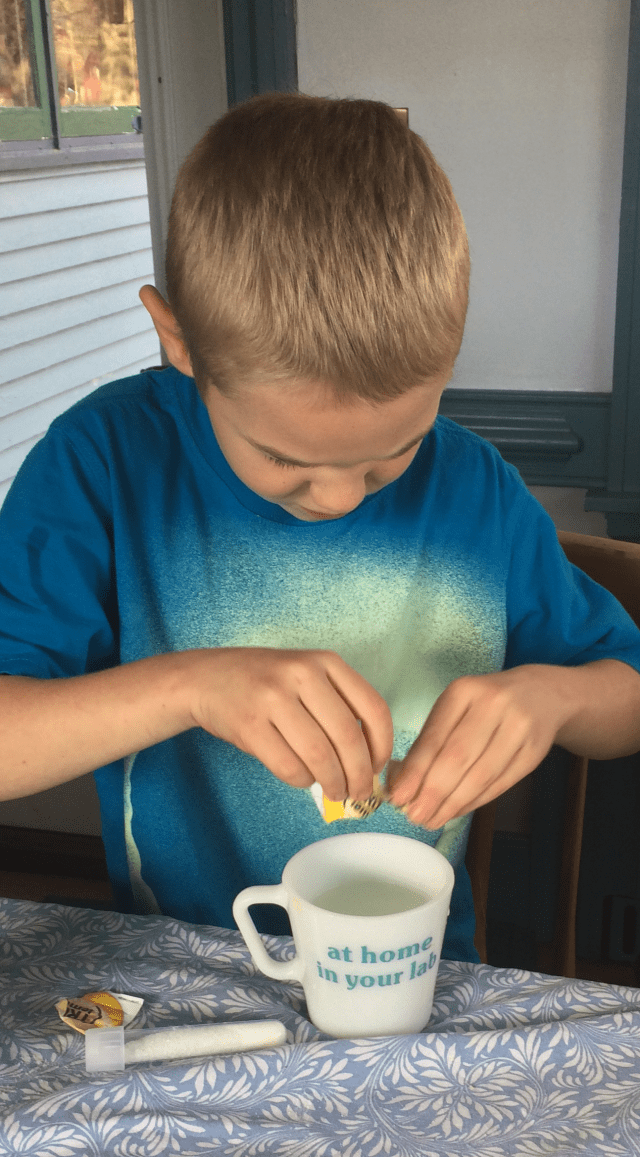
formula.pngFuture scientist tries out the potion receipe.
Misogyny World Wide & A quiz

Misogyny exists in all parts of the human world. Child brides are common and face a life of abuse and even death in childbirth. Sex-Trafficking is a world wide concern, but unless citizens everywhere take a stand against misogyny in all its forms, it will continue.  Widow-burning has seen rises and falls in popularity but even when it is not practiced, the low status of a woman without a man is pervasive across cultures. Being forced to marry your rapist  because now you are an adulterer is a nightmare of other countries, but there have been religious books here in the US that romanticize this and some lawmakers have pushed laws for rapist visitation rights. In fact, rapist visitation and custody rights are legal  in 31 states. No one in the US would find honor killings palatable, yet we do place heightened emphasis on the virtue of girls.

The men in Sambia hate women so much that they plug their nostrils with cloth when they have heterosexual sex so that they don’t breath the woman’s “vapors.”

Seeing misogyny is not difficult. But what can be done about it? Look up “how to stop misogyny” and you’ll find that not much is out there.

So here’s a quiz. Which one of these things do you think will help? Or add your thoughts below:

What’s misogyny anyway?

In all of my novels, a woman must navigate through a world awash with misogyny–societal prejudice against women. I asked an anthropologist friend for some outward signs of misogyny in a culture and she had numerous examples.

One obvious one is that the man is the model for normal. We see this in our culture when pants are the normal attire. Women fought for the right to wear pants but have men ever fought for the right to wear dresses? No. Another example of this is the plethora of male protagonists. In many books, particularly in the 50s, every single character was a male, even in children’s books. In Winnie the Pooh the one female character was a mother. I one time even read a children’s book where a cow was called “he.” I saw this at work several years ago when three scientists stepped up to voice concerns about a health and safety issue. The three were all female and a higher up labeled this “the women’s problem.” Would this have been called the “men’s problem” if the scientists had been male?

Another sign is how women modify their bodies to please men. We might think of feet binding as a terrible thing  and not understand it but here we have breast augmentation surgeries, anorexia, and since older men are thought of as attractive and knowledgeable but older women not so much, we have facelifts and chemical peels. I am tempted to try them!  I can’t say that men do not work out to attract women. However, look at some of them who think they are good looking such as our president. Would a woman with that hair and figure and chin flab consider herself God’s gift to men, even if she was wealthy? No.

Of course we have wage dichotomy–the so called pink collar jobs that are a staple of our society but carry lower wages–teacher, social worker, nurse, hair dresser.

No doubt most of us have thought about the different standards of acceptable sexual behavior for men and women–men can be players (although younger people call then “man-sluts”) while young girls wear purity rings.

We have accepted or at least discussed  as a society the previous examples and adjusted to them in our culture but what are some that are more subtle? Below are some telltale signs of misogyny:

  1. Assuming that feminism is anti-men, Thinking that women’s rights hurts men’s. (Keep in mind that women can be misogynists. Queen Victoria was one.)
  2. Assuming that women are more emotional and irrational than men.
  3. Dictating what women do with their bodies.
  4. Asking for more proof from women than from men before you will believe them. My anthropologist friend says “As a scholar, I am asked for more citations when in fact it was my original research.”
  5. Expecting women to pick up at work. (There’s a reason so many offices have gone to individual serving coffee makers.)
  6. Expecting women to dress up more than a man in the same job.
  7. Assuming that feminists don’t want to be wives and mothers. Or that everyone must be a wife or mother to be respected.
  8. Cheating on his female partner is one of the many signs of a misogynist.
  9. Thinking that all women make up fake rape charges is another.

No doubt we have all known a misogynist. Now that you see the signs, perhaps you’ll be able to avoid misogynists.

Iowa Pollution Lawsuit

photo (11)
These are happy free range hogs, but most Iowa hogs are in confinement operations.

Iowa is an agricultural state with 40% of our land used for highly fertilized crops.It takes over a pound of fertilizer to produce a bushel of corn and Iowa will produce around 2.7 billion bushels of corn this year. Some of that fertilizer will be taken up in the corn, but some will also run off into Iowa waters, creating blooms of algae. Some of this algae will produce toxins and remove oxygen from water, killing aquatic life and making the water unfit to drink.

We also have hogs here.  Iowa is a state that has more hogs than people. There are about 21 million hogs in Iowa and 3 million people. That’s right. For each person there are almost seven hogs at any given day. Iowa is #1 in hog production nationwide. We also have more turkeys than people here in Iowa. We lead the nation in egg production. As you might imagine, we produce a lot of manure here–10 billion tons per year! You’d think this would make the state a power player in the GDP of the nation but no, we are responsible for 1% of the nation’s wealth.

With all of our manure and fertilizer and the water-soluble nutrients, you can imagine that we cause problems for ourselves and others in terms of water quality. Polluted water is a public health issue here in Iowa. Who is accountable for Iowa’s water pollution? This is the question and with this question comes a lawsuit.   The Des Moines Water Works is suing counties upstream, saying they need to be regulated and accountable for their pollution. The point of the lawsuit is that these counties run pipes of agricultural pollution into state and federal waters and no one is stopping them.Those downstream pay the price for this unregulated drainage, much like a sewer pipe. The pollution is associated with cancer, birth defects, blue baby syndrome, toxic cyanobacteria, and blooms of algae downstream. The Des Moines Water Works spends over a million dollars per year cleaning up this drainage.

Why doesn’t the pollution, caused by manure and fertilizer, just soak into the ground? The counties that are being sued are naturally swampy and must be drained with plastic tiles. These are connected to pipes and the pipes drain the swampy pollution into the Raccoon and Des Moines Rivers.

There are things that can be done to prevent this such as crop rotation, planting cover crops, bioreactors, and other conservation practices. The problem is, the polluters don’t like the city folk telling them what to do and have no incentives to clean up their pollution. Appealing to their human decency isn’t working. Manure can be used as fertilizer and in fact, it is underused according to our agricultural college, Iowa State. But do we use it this way? Not much. Fertilizer is cheaper and Iowa has even given a new fertilizer plant billions of dollars to set up shop here.

The lawsuit has been called “a war on rural Iowa.” This isn’t accurate or helpful. The lack of compassion for those downstream is problem here in Iowa and in our nation.  The lawsuit will begin this June 2017. If the Des Moines Waterworks loses the lawsuit, it will need to spend up to $100 million dollars on a new denitrification plant in order to be able to make their water safe enough for their consumers to drink. Even sadder, the pollutants are water soluble so even if removed to make the water of Des Moines safer, they will find their way back to the water supply.

Poinsettia Preview

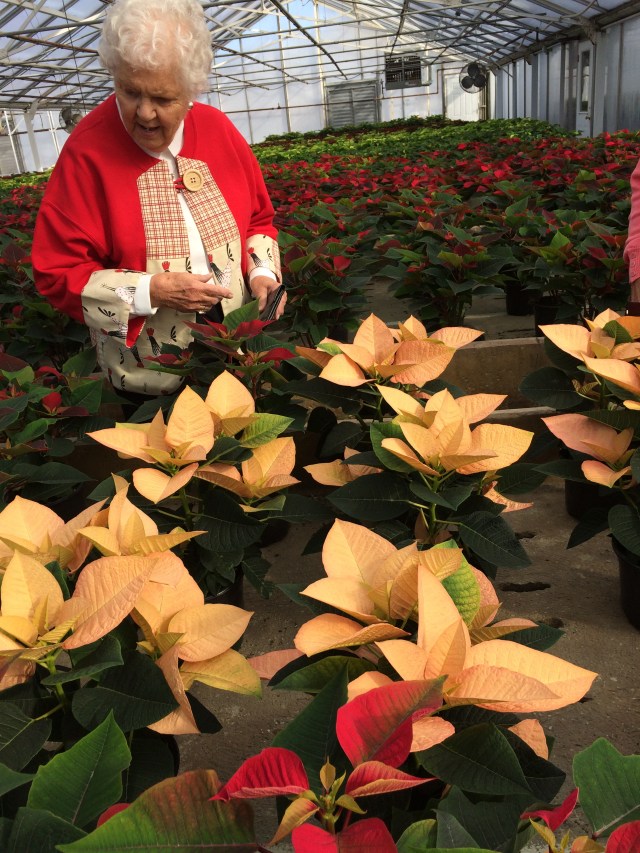
img_2777
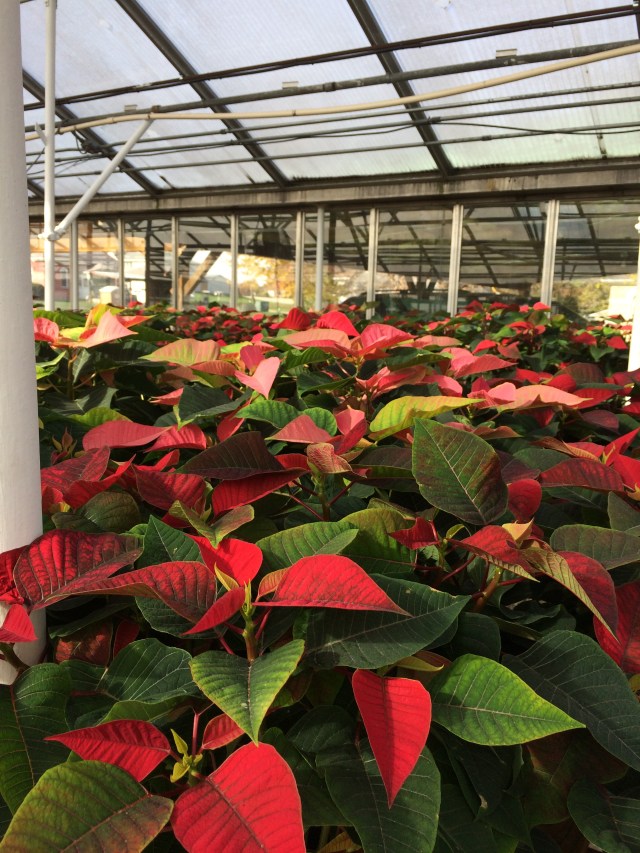
In an Iowa greenhouse–Nick’s in Pella– poinsettias wait for the holidays.
img_2774
In a week or two, this healthy plant will be ready for retail.
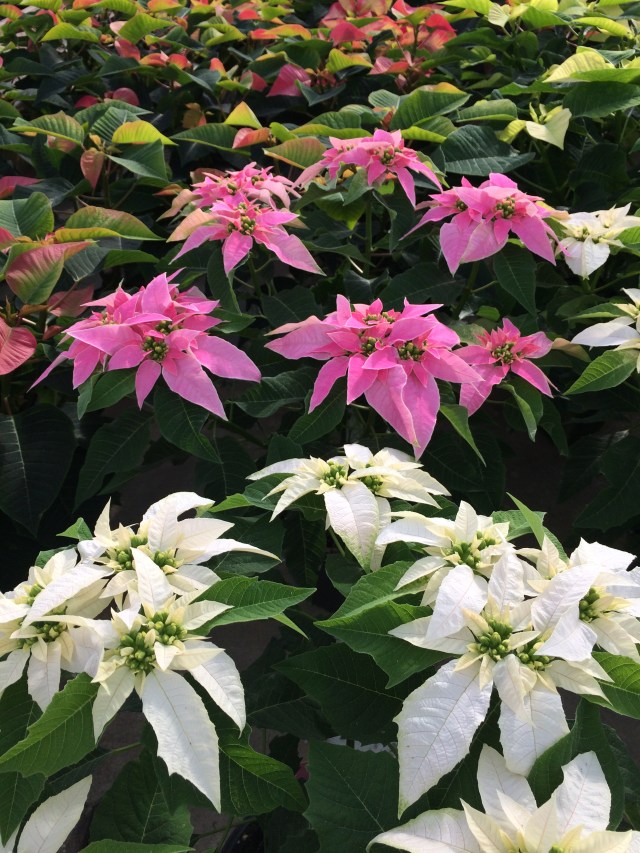
img_2775
A new variety with tiny bursts of color.
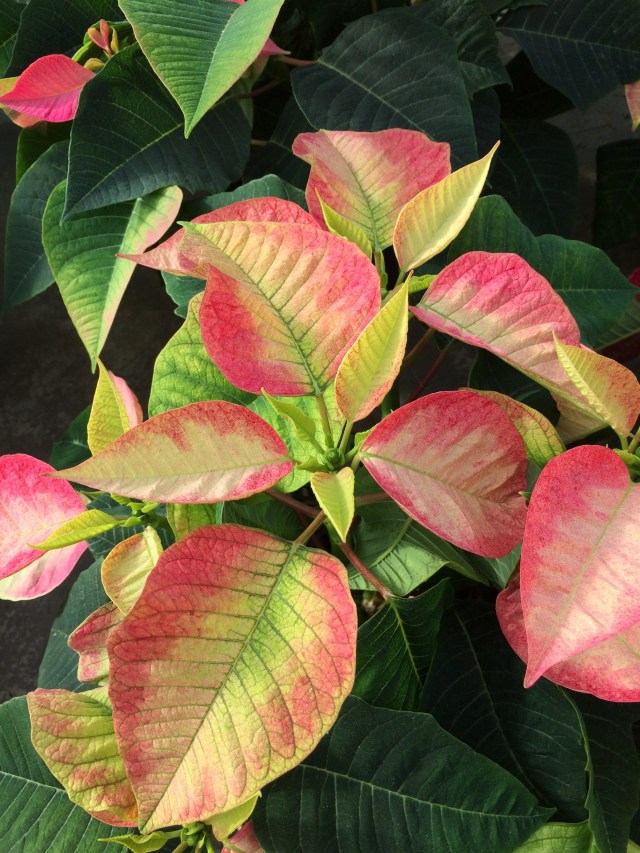
img_2771
The top leaves of the plant change color when the days are short and the nights are long. Look at these–apricot!

Mixed In

It’s National Novel Writing Month and I have been challenged to put up something from my work in progress. My work in progress is still at a delicate stage but I’d love to share the opening of my novel Mixed In, a tale of chemicals and dystopia. It will be released this spring by City Owl Press. Until that time, here’s a sample. (Danger,naughty word included!)

CHAPTER ONE

Creating a beer is much like breeding a dog. Dogs have that one tricky gene, number fifteen, that can cause height variation between 5 inches and 7 feet, more than any other land vertebrate. (Imagine humans ranging from 2 to over 30 feet tall.) Hops are complicated, having intricate aromas, regional differences, and changing chemistry upon brewing.

Sipping the dark and sylvan house ale, I studied the wavy haired bartender. A pretty man with smooth skin, a dark mustache, and little sideburns, he resembled Nikola Tesla, who despite his love for frequency and vibrations, was said to have died a virgin.

I’d taken refuge in the Union Station bar after my bus broke down as I rode it home from work. Officials in black bomber jackets and belts covered with devices that hung like pine cones walked past the window. I hadn’t seen that black uniform before. Those belts loaded with technology told me something. I was in what Cochtonville considered a bad neighborhood.

I wasn’t a citizen of this city-state, carved out of Iowa, with a name pronounced “Cock-Ton” like an enormous penis. I was a chemist from Michigan on a work visa and didn’t worry about the officers. I had a permit to be here and, unlike most of the population, to have seeds. This was my first month in the country and I was struggling to understand my new home and connect with the people here.


Update: Mixed in is now available in print.


Frankenstein’s scientific roots

One of my favorite Halloween characters is Frankenstein’s monster, the guy created by the scientist Victor Frankenstein from assembled body parts and brought to life by a spark of lightning. The careless scientist was hoping to bring his dear mother back to life. You can’t bales a guy for trying but he violated a rule of science–he worked alone and the hapless creature was created in secret. Only alchemists work in secret. The rules of new science are:

Never work alone in lab.

Keep a carefully detailed lab notebook.

Share your results with others.

Thus, to work in secret is to bring about all sorts of trouble. In 1818 when the novel Frankenstein was published, scientists were just beginning to move away from alchemy and to understand electricity. Batteries made from two metals and an electrolyte were a new thing. Imagine the world-changing perspective of a localized source of energy!

Franklin had established that lightning was a huge static charge and that it was attracted to tall pointy objects. No more would people see a lightning strike as being the hand of an angry God. It was Mother Nature.

Scientists got a charge from electric eels. They began to assume that there is an electrical life current flowing through us. (There is, the oxidation reduction reactions in cells but this is far more complicated than those in 1818 could imagine.) The hope was that all it might take to bring a loved one back alive was a jolt. Creepy experiments were done on executed prisoners and severed heads of the dead were made to twitch with a spark from a battery and they grimaced and fluttered their eyelids.

As for the character of Frankenstein’s creature, he turned out to be intelligent and sensitive, only resorting to menacing his creator once he had been firmly rejected and had no companion to turn to. Like all great writing, Frankenstein says something about the human condition. The novel makes a statement on nature and nurture and the cruelty of judging and rejecting someone based on their appearance.

My favorite version of Frankenstein? It has to be Young Frankenstein.

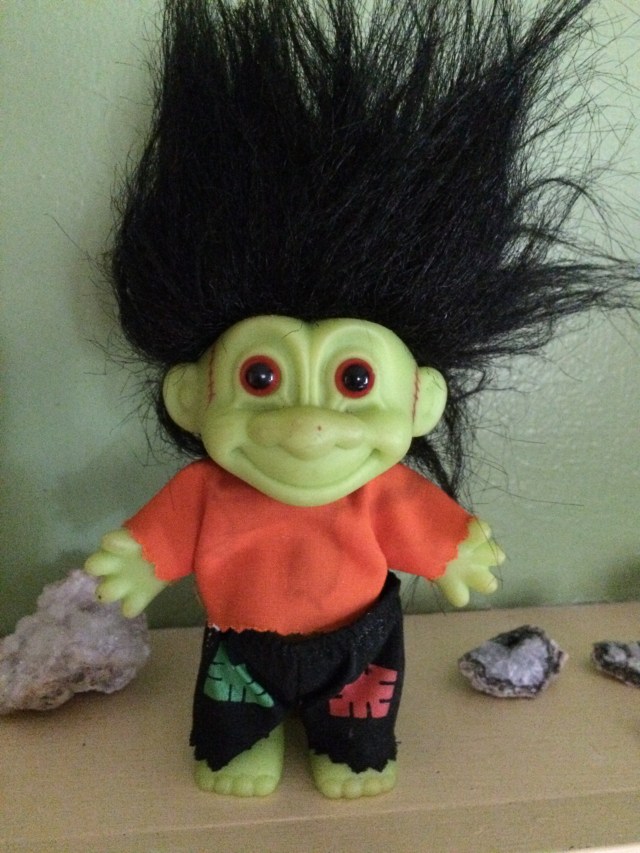
Happy Halloween Frankenstein! Glad you are still with us!img_2757